Best Greenhouse Walls Materials For
Title: The Best Greenhouse Walls Materials for Your Growing Needs
Introduction:
A greenhouse is a great way to extend your growing season and grow plants that would not normally be able to thrive in your climate. But in order to get the most out of your greenhouse, you need to choose the right materials for the walls.
There are a number of different materials that can be used for greenhouse walls, each with its own advantages and disadvantages. In this blog post, we will discuss the four most popular greenhouse wall materials: glass, polycarbonate, fiberglass, and polyethylene.
Main Content:
Glass is the traditional material for greenhouse walls. It is clear and allows in a lot of light, which is essential for plant growth. Glass is also durable and can last for many years. However, glass can be expensive, and it can break if it is not properly installed.
Polycarbonate is a lightweight plastic that is becoming increasingly popular for greenhouse walls. Polycarbonate is strong and durable, and it can withstand high winds and hail. It is also more energy-efficient than glass, meaning that it can help to keep your greenhouse warmer in the winter and cooler in the summer. Polycarbonate is also less expensive than glass.
Fiberglass is another popular option for greenhouse walls. Fiberglass is strong and durable, and it is also more resistant to UV rays than glass. This means that fiberglass will not yellow or fade over time. However, fiberglass is not as transparent as glass, so it may not allow in as much light.
Polyethylene is the least expensive option for greenhouse walls. It is a lightweight plastic that is easy to install. However, polyethylene is not as durable as glass or polycarbonate, and it may not last as long. Polyethylene is also not as transparent as glass, so it may not allow in as much light.
Conclusion:
The best greenhouse wall material for you will depend on your individual needs and budget. If you are looking for the most light transmission, glass is the best option. If you are looking for a durable and energy-efficient material, polycarbonate is a good choice. If you are on a budget, polyethylene is a good option.
No matter which material you choose, make sure to install it properly. This will help to ensure that your greenhouse walls last for many years to come.
There are many different materials that can be used for greenhouse walls, each with its own advantages and disadvantages. Some of the most common materials include glass, polycarbonate, polyethylene film, and fiberglass. The best material for your greenhouse will depend on factors such as your climate, budget, and desired level of insulation.
To learn more about the different materials available for greenhouse walls, visit Home Gardening. Home Gardening is a comprehensive resource for all things greenhouse, with information on everything from choosing the right materials to building your own greenhouse.
FAQ of greenhouse walls materials
- What are the most common materials used for greenhouse walls?
The most common materials used for greenhouse walls are glass, polycarbonate, and acrylic. Glass is the most traditional material, and it provides excellent light transmission and insulation. Polycarbonate is a lightweight and durable material that is also relatively inexpensive. Acrylic is a clear and strong material that is often used in greenhouses where a high level of light transmission is required.
- What are the advantages and disadvantages of each material?
Glass
- Advantages:
- Excellent light transmission
- Good insulation
- Long lifespan
- Disadvantages:
- Heavy and fragile
- Expensive
Polycarbonate
- Advantages:
- Lightweight and durable
- Relatively inexpensive
- Good light transmission
- Impact resistant
- Disadvantages:
- Not as good insulation as glass
- Can yellow over time
Acrylic
Advantages:
- Clear and strong
- Excellent light transmission
- Impact resistant
Disadvantages:
- More expensive than polycarbonate
- Can scratch more easily than glass or polycarbonate
How do I choose the right material for my greenhouse walls?
The best material for your greenhouse walls will depend on a number of factors, including your budget, the climate you live in, and the type of plants you will be growing. If you live in a cold climate, you will need a material that provides good insulation. If you are on a budget, polycarbonate is a good option. If you are growing plants that require a lot of light, glass or acrylic may be a better choice.
- How do I install greenhouse walls?
The installation process will vary depending on the material you choose. For glass walls, you will need to use a special type of glazing compound to seal the panes in place. For polycarbonate or acrylic walls, you can use screws or nails to attach the panels to the frame.
- How do I maintain my greenhouse walls?
The type of maintenance required will depend on the material you choose. Glass walls should be cleaned regularly to remove dirt and debris. Polycarbonate and acrylic walls can be cleaned with a mild soap and water solution. You should also inspect your greenhouse walls regularly for any signs of damage and repair them as needed.
Image of greenhouse walls materials
10 different images of greenhouse walls materials that are free to use:
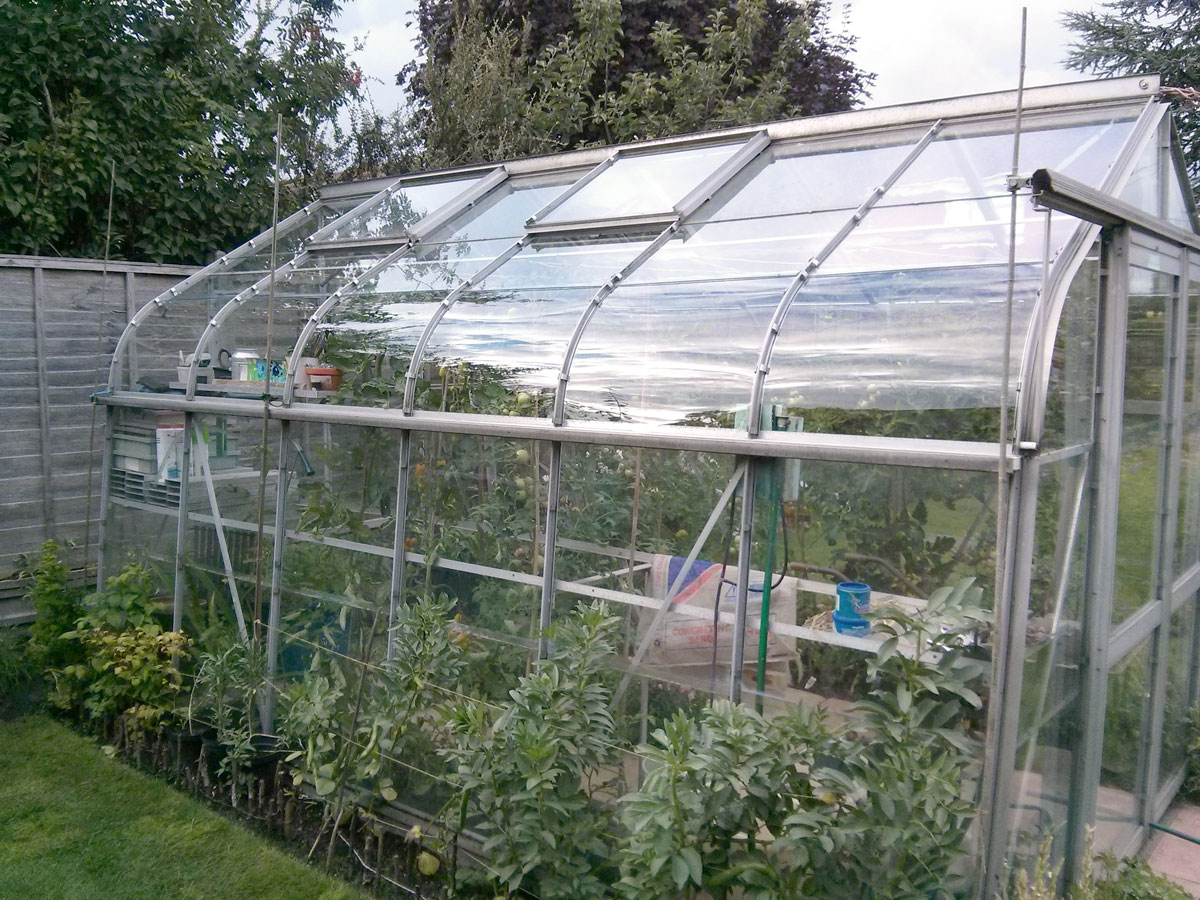
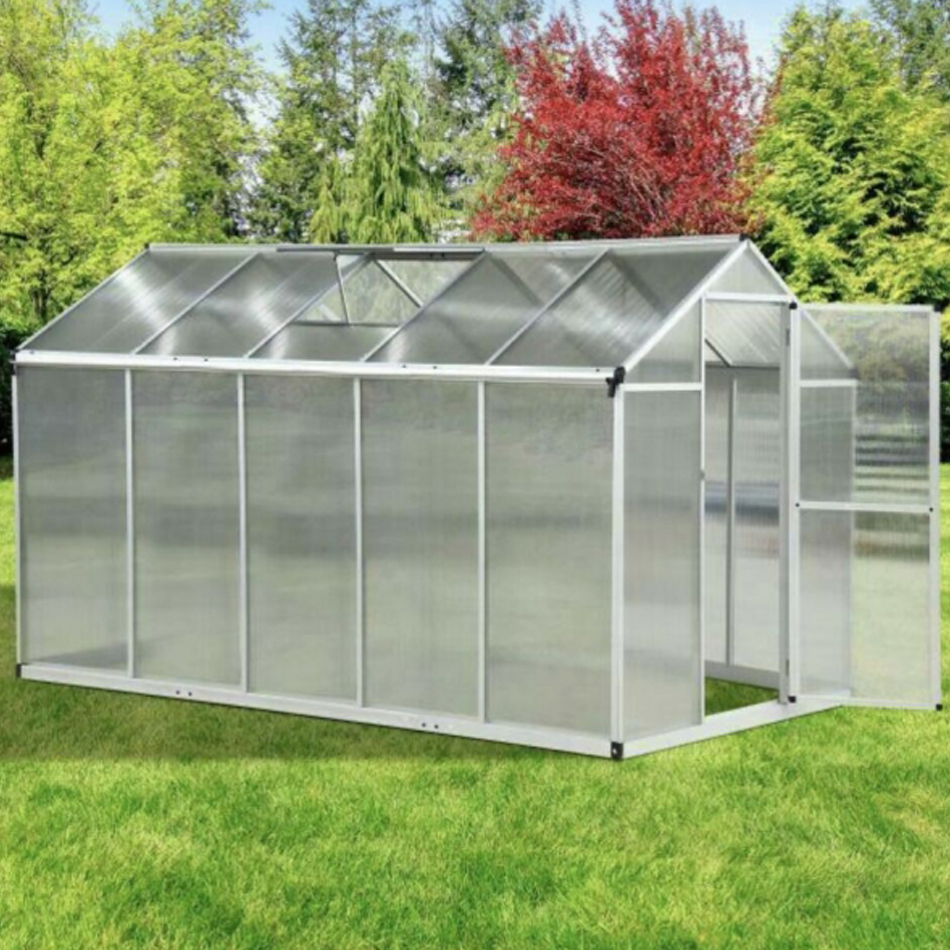
- Polycarbonate panels are a popular choice for greenhouse walls because they are durable, lightweight, and transparent. They can also help to insulate the greenhouse, keeping the plants warm in the winter and cool in the summer.
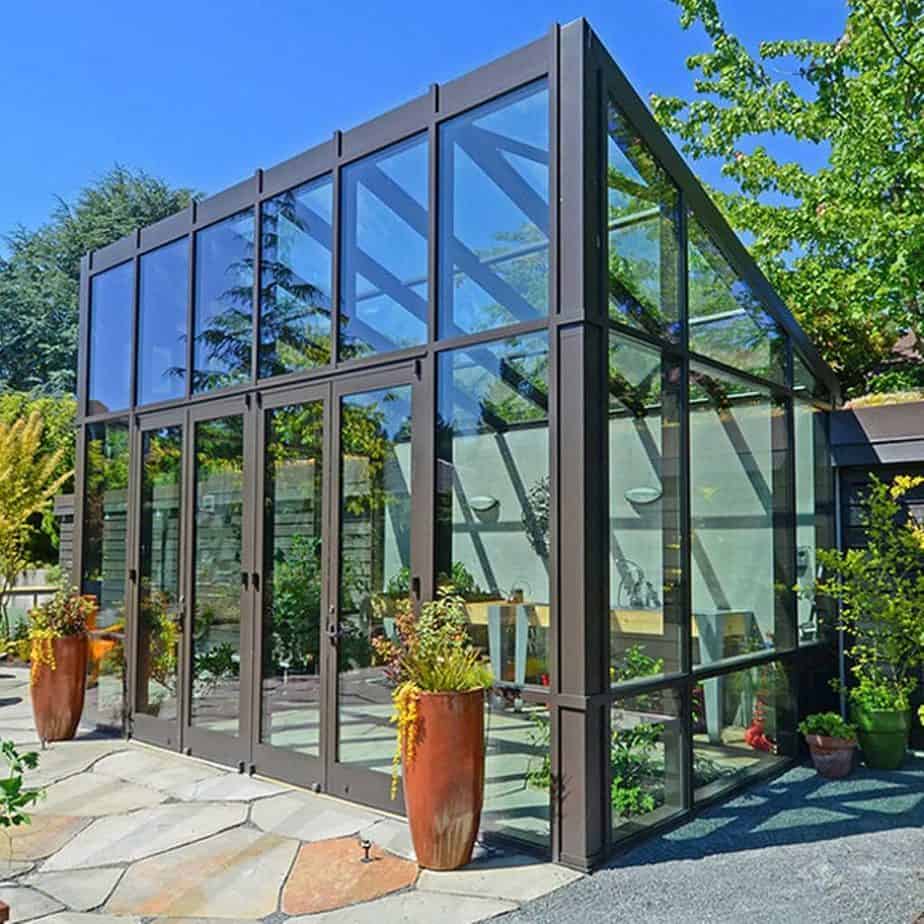
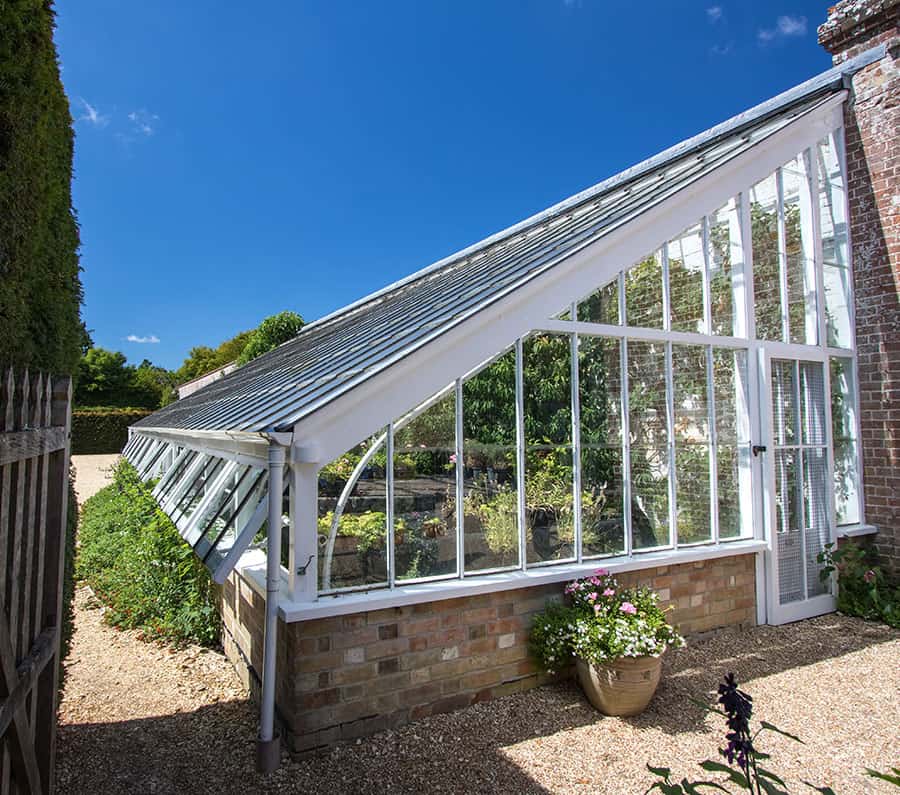
- Glass panels are another traditional option for greenhouse walls. They are very transparent, allowing in plenty of light for the plants. However, glass can be heavy and fragile, and it can also break if it is hit by hail or other objects.
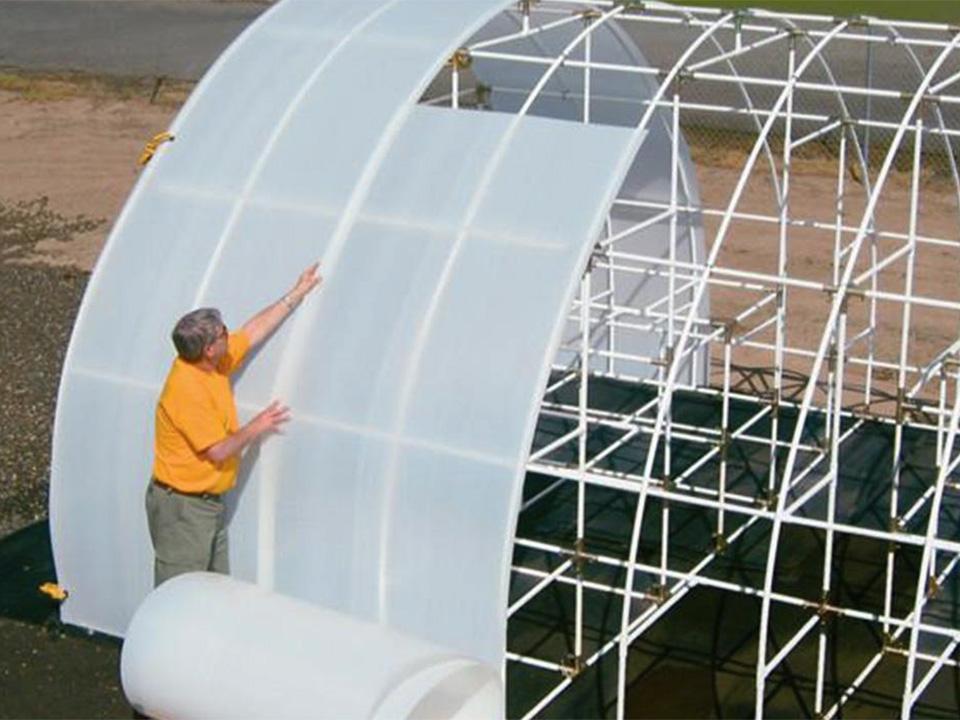
- Plastic film is a more affordable option than polycarbonate or glass panels. However, it is not as durable and may not last as long. Plastic film can also be difficult to see through, which can make it difficult to care for the plants inside the greenhouse.
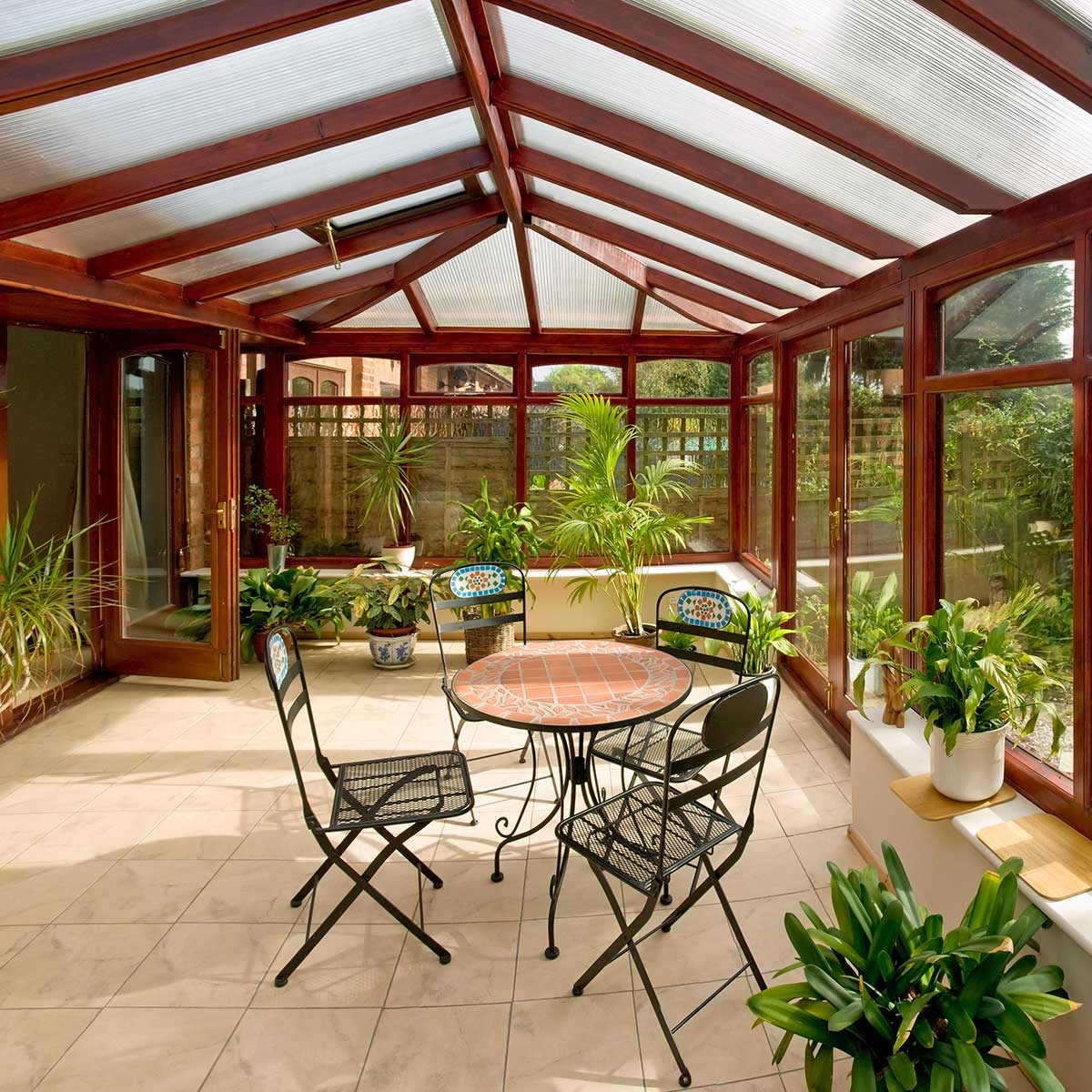
- Vinyl panels are a durable and weather-resistant option for greenhouse walls. They are also relatively easy to install. However, vinyl panels can be more expensive than other materials.
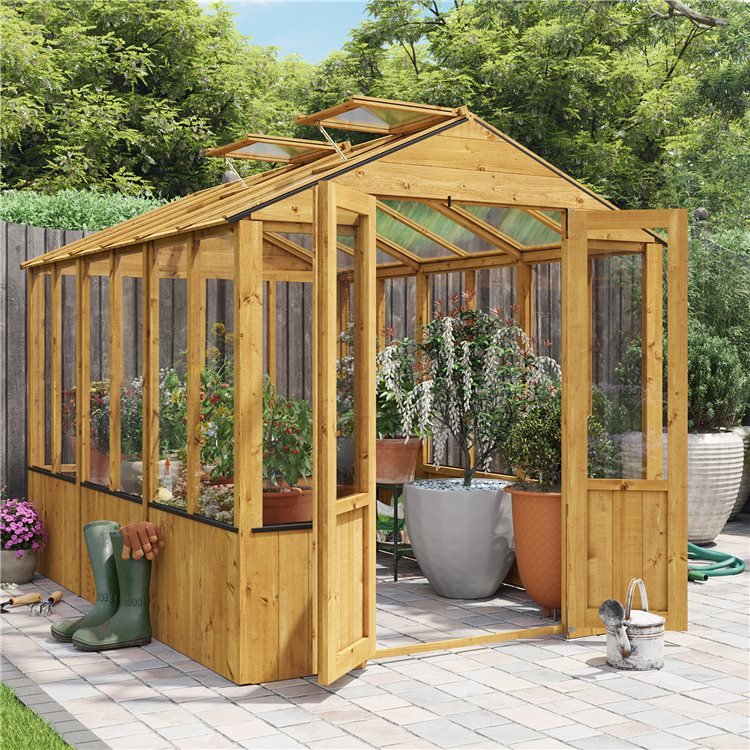
- Wood is a natural and attractive material that can be used for greenhouse walls. However, wood can rot or warp over time, and it may require more maintenance than other materials.
- Metal is a strong and durable material that can be used for greenhouse walls. However, metal can heat up in the sun, which can make the greenhouse too hot for the plants. Metal can also be more expensive than other materials.
- Concrete is a heavy and durable material that can be used for greenhouse walls. However, concrete is not very transparent, which can make it difficult to see the plants inside the greenhouse. Concrete can also be more expensive than other materials.
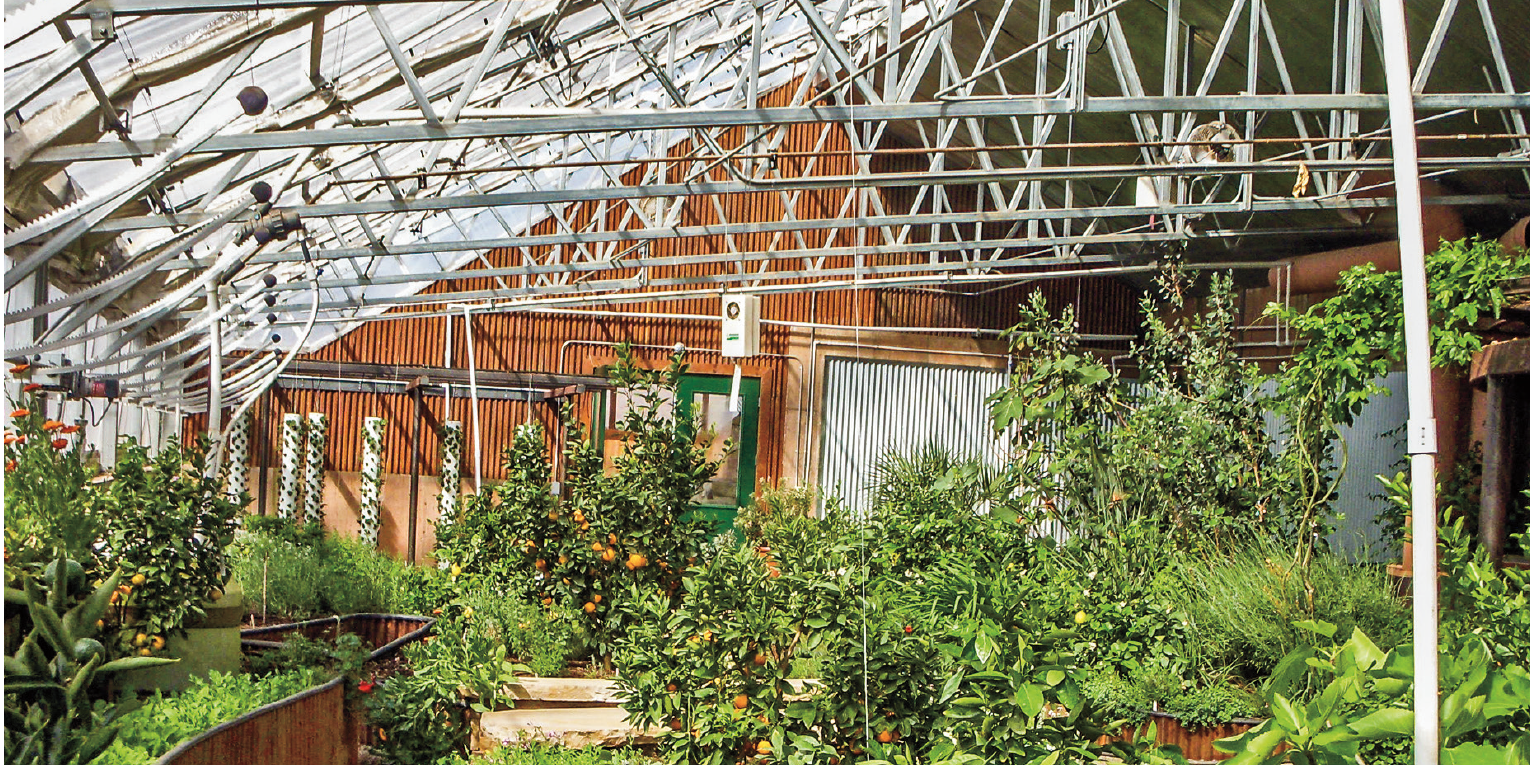
- Brick is a strong and durable material that can be used for greenhouse walls. Brick is also relatively fire-resistant. However, brick can be more expensive than other materials, and it can be difficult to install.

- Stucco is a mixture of cement, sand, and water that can be used to create a smooth, durable wall surface. Stucco is relatively inexpensive and easy to apply. However, it is not as transparent as other materials, which can make it difficult to see the plants inside the greenhouse.
- Corrugated plastic is a lightweight and durable material that can be used for greenhouse walls. It is also relatively inexpensive. However, corrugated plastic can be difficult to see through, which can make it difficult to care for the plants inside the greenhouse.

Post a Comment for " Best Greenhouse Walls Materials For "